KVM Imperial Rugs
We request to purchase our hand made carpets

About hand knotted Persian carpets
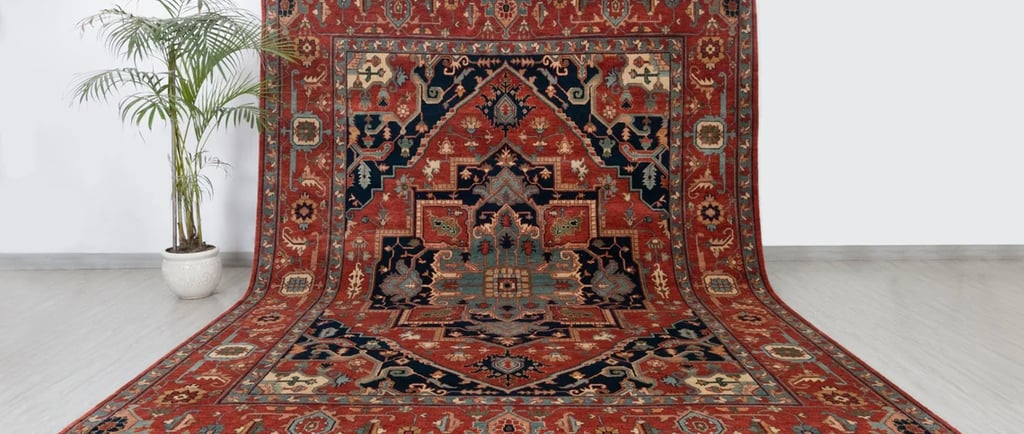
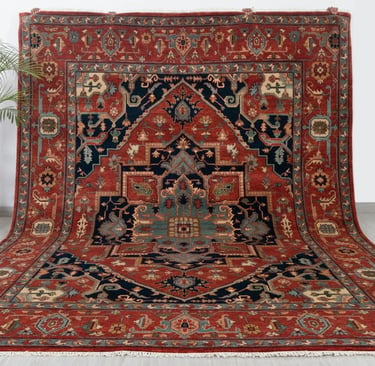
Persian hand-knotted carpets are premium, artisan-crafted textiles woven entirely by hand using traditional, centuries-old techniques primarily originating from Iran. These prestigious floor coverings are renowned for their exceptional durability, elaborate curvilinear patterns, rich natural color tones, and long-term investment value. Because every single knot is tied individually onto the structural loom foundation, a single luxury carpet can take anywhere from several months to multiple years for master weavers to finalize. Core Construction Techniques The Asymmetrical Knot: Most fine Persian carpets leverage the Senneh knot (asymmetrical technique). This wrap method secures wool or silk tightly around one warp thread while leaving the adjacent side open, allowing artists to weave highly precise, smooth geometric curves and intricate design elements. Some tribal regions alternatively use the symmetrical Ghiordes knot.Knot Density: Quality is directly measured by Knots Per Square Inch (KPSI). Standard regional carpets generally feature around 160 KPSI, whereas masterwork luxury variants from famed weaving centers like Isfahan can reach 500+ KPSI for extreme pattern detail and generational wear resilience.Premium Materials UsedThe Pile Yarn: Highly resilient sheep’s wool (such as Kork wool) or pure natural silk forms the active surface pile. Silk fibers add an opulent, luminous sheen that causes colors to subtly shift under varying angles of light. Organic Dyes: Traditional workshops process wool with natural organic dyes derived from plants, minerals, and husks (such as Madder Root for deep reds, Indigo for vivid blues, and Walnut Husks for rich earth tones). These natural colors age gracefully without bleeding, yielding a unique, sought-after antique patina over the decades.
Dastgeer alam
11/7/20261 min read
My post content